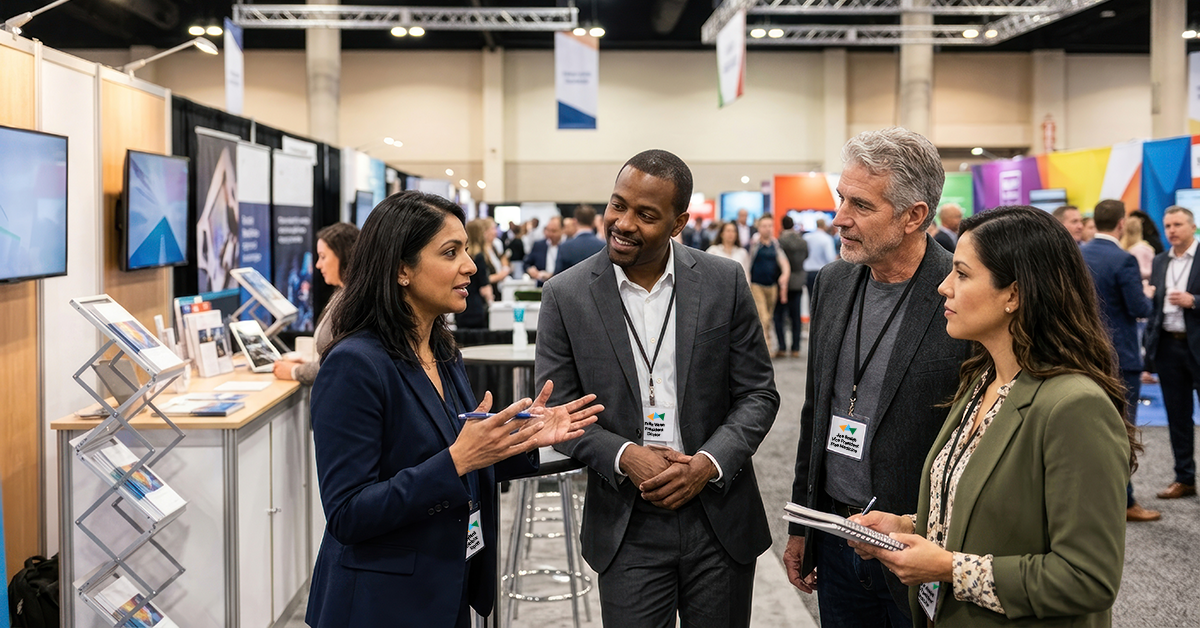
Keeping attendees engaged on the show floor is an ongoing challenge. Healthcare exhibition organizers face extra hurdles with concerns such as accreditation standards, tight budgets, liability concerns and Boards that want something fresh every year. At a recent IAEE Healthcare Organizer Insights Hour, participants swapped candid stories about what’s working in their exhibit halls and what isn’t.
Variety Keeps Attendees Coming Back Every Day
One of the simplest ways to drive repeat traffic is to give attendees a different reason to visit each day. One organizer rotates daily activations so that no two days feel alike, and reported that the variety kept people returning throughout the show. Digital tools can add to the momentum, though participants noted that balancing Board expectations for engaging activities with exhibitor preferences remains tricky, especially in a small hall.
A few ideas to try:
- Rotate daily activations, such as professional headshots one day, a create-your-own-hat station the next and a skills activation after that.
- Rebrand familiar events. Renaming “Happy Hour” the “Exhibit Hall Social Hour” positions it as a networking opportunity, and seasonal touches (like photos with Santa) add a fun element.
- Try a digital scavenger hunt. One event logged 600 total hits in its first year and plans to build on it.
The goal is to make visiting the exhibit hall feel like a destination rather than a task to be completed.
Hands-On Skills Areas Deliver Big Returns
Interactive labs are a standout. At one nursing-focused show, more than a third of the 6,000 attendees took part in the skills area. Another organizer secured about a dozen sponsors for a dedicated skills experience that runs for the entire exhibit hall schedule. It’s labor and resource intensive, but the organizer considers it a success and expects it to keep growing.
Key lessons from the organizers:
- Start with a manageable footprint. One skills area began at 30×50 and expanded to 40×80 as demand grew.
- Keep sessions short. Attendees practice skills in 5–10-minute sessions, which keeps traffic flowing.
- Recruit sponsors early, since a multi-sponsor model helps offset the cost of the build.
Skills labs offer attendees a memorable experience while giving sponsors meaningful face time.
Wellness and Innovation Zones Work (with a Dose of Realism)
Attendees appreciate a place to recharge, and organizers are getting creative. Wellness zones with massage chairs, recharging stations and an Innovation Park for startups have all been introduced successfully. But not every idea survives contact with reality. A requested puppy park was nixed over concerns about cadavers and hygiene, and bull riding was replaced with safer options after liability worries surfaced.
Practical takeaways include:
- Swap risky ideas for safer alternatives. Custom cowboy hats and professional headshots replaced bull riding, and therapy dogs replaced puppies.
- Create dedicated spaces for startups, such as an Innovation Park, to support different types of exhibitors.
- Be upfront about food and beverage limits, since budget constraints are real and attendee requests must be balanced against them.
Creativity matters, but so does knowing your venue, your audience and your risk tolerance.
Support Newcomers and Give New Ideas Time to Grow
Strong programs don’t happen overnight. Participants recommended giving new initiatives two to three years to gain traction, since return patterns can be unpredictable. In the meantime, a strong welcome can help first-timers on both sides of the booth feel at home.
Support strategies shared by the group include:
- Give your first-time attendees a warm welcome. Offer a video series, a dedicated web page, a first-timers-only networking event and/or a mentor program that creates a “conference buddy” experience.
- For first-time exhibitors, provide dedicated newsletters, virtual office hours and a pavilion with turnkey set-up options.
- Use data to refine your approach. Surveys, app interactions and QR code engagement helped one organization decide which activities to repeat and how to revamp its first-timer experience.
Patience, paired with good data, can turn an experiment into a signature feature.
The Prescription
The common thread is that great exhibit hall experiences are built on variety, hands-on value and thoughtful risk management, then refined over time with attendee feedback. Start small, listen closely and be willing to adjust. The best ideas often come from peers who have already tried them.